A mountain crossing into Italy
Bernina Express
Chur → Tirano · 4h
Choose it when the cross-border mountain route fits your trip.
Mountains, valleys and main lines
Choose a full Alpine crossing, a Norwegian main line or a compact mountain excursion. These twelve journeys ask for different amounts of your day—not the same itinerary.
A mountain crossing into Italy
Chur → Tirano · 4h
Choose it when the cross-border mountain route fits your trip.
Give the railway a full day
Zermatt → St. Moritz · 8h
Choose it for a day aboard rather than a short excursion.
A compact valley descent
Myrdal → Flåm · 55m
Allow extra time for the Bergen Line connection and the valley itself.
Connect two Swiss bases
Montreux → Interlaken · 3h 15m
A direct connection through vineyard country and the Gstaad region.
For longer routes, check sunrise, sunset and your departure time: a scenic route does not guarantee every section in daylight. Operating months are not a promise of trains on every date; maintenance and weather can change the journey.
Cross the mountains or connect Swiss bases; the full Glacier journey needs most of a day.
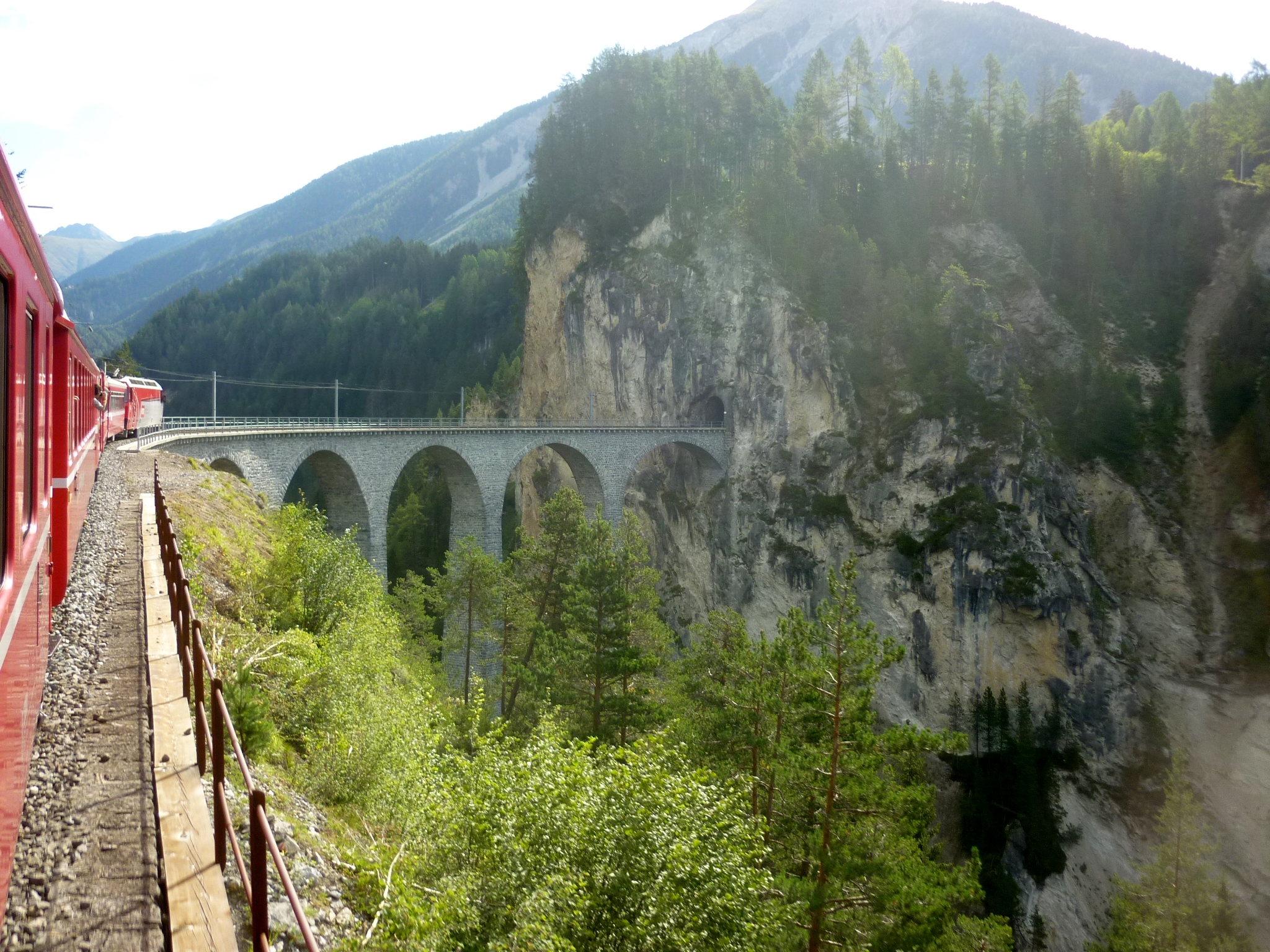
Photo: Christoph Radtke / Wikimedia Commons · CC BY 3.0
Image sourceA panoramic Alpine rail journey from Switzerland toward Tirano, crossing UNESCO-listed railway landscapes, high mountain passes and dramatic viaducts before descending toward Italy.
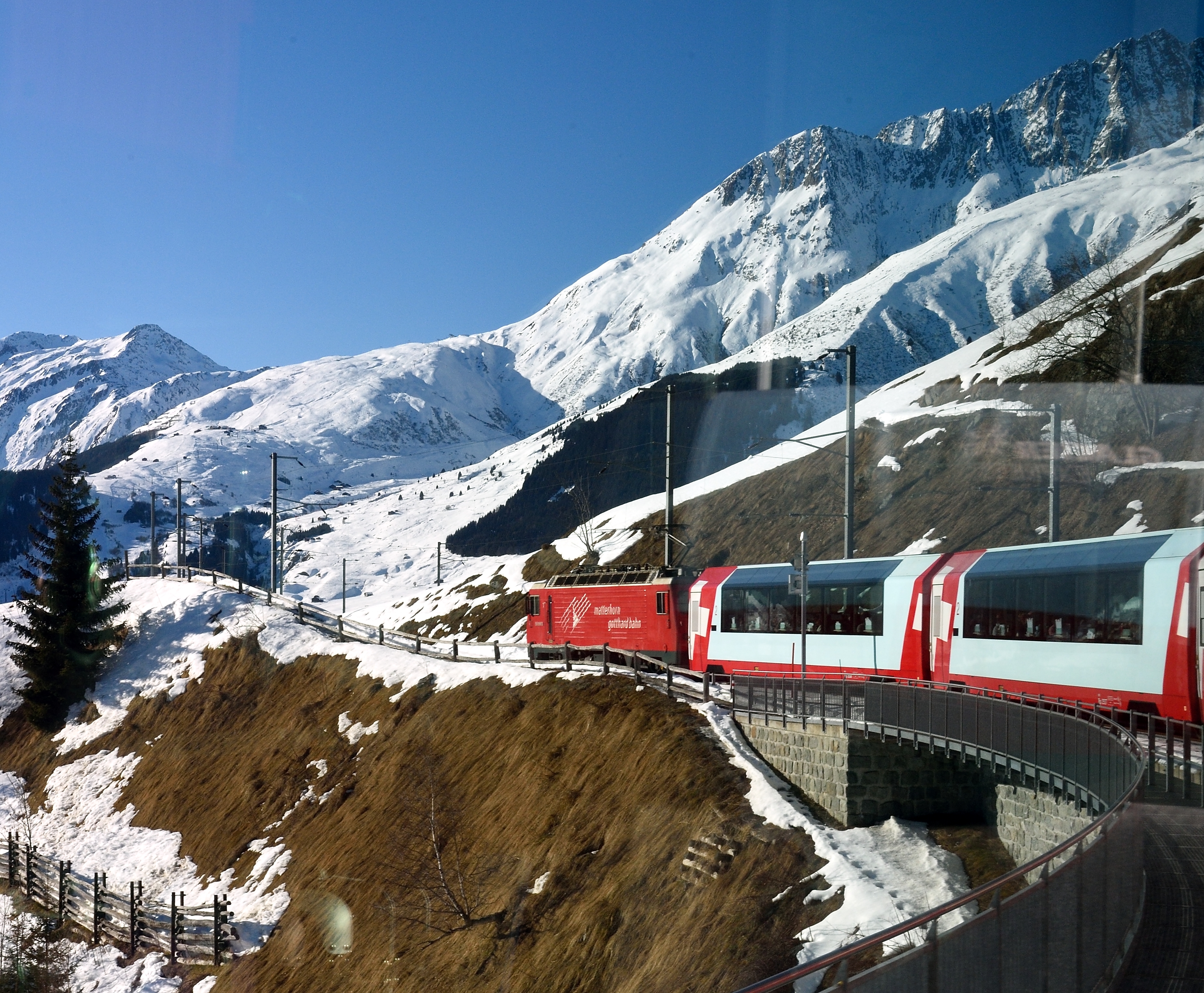
Photo: Tim Adams / Wikimedia Commons · CC BY 3.0
Image sourceA full-day panoramic journey between Zermatt and St. Moritz, threading the Swiss Alps through high passes, deep valleys, 291 bridges and 91 tunnels.
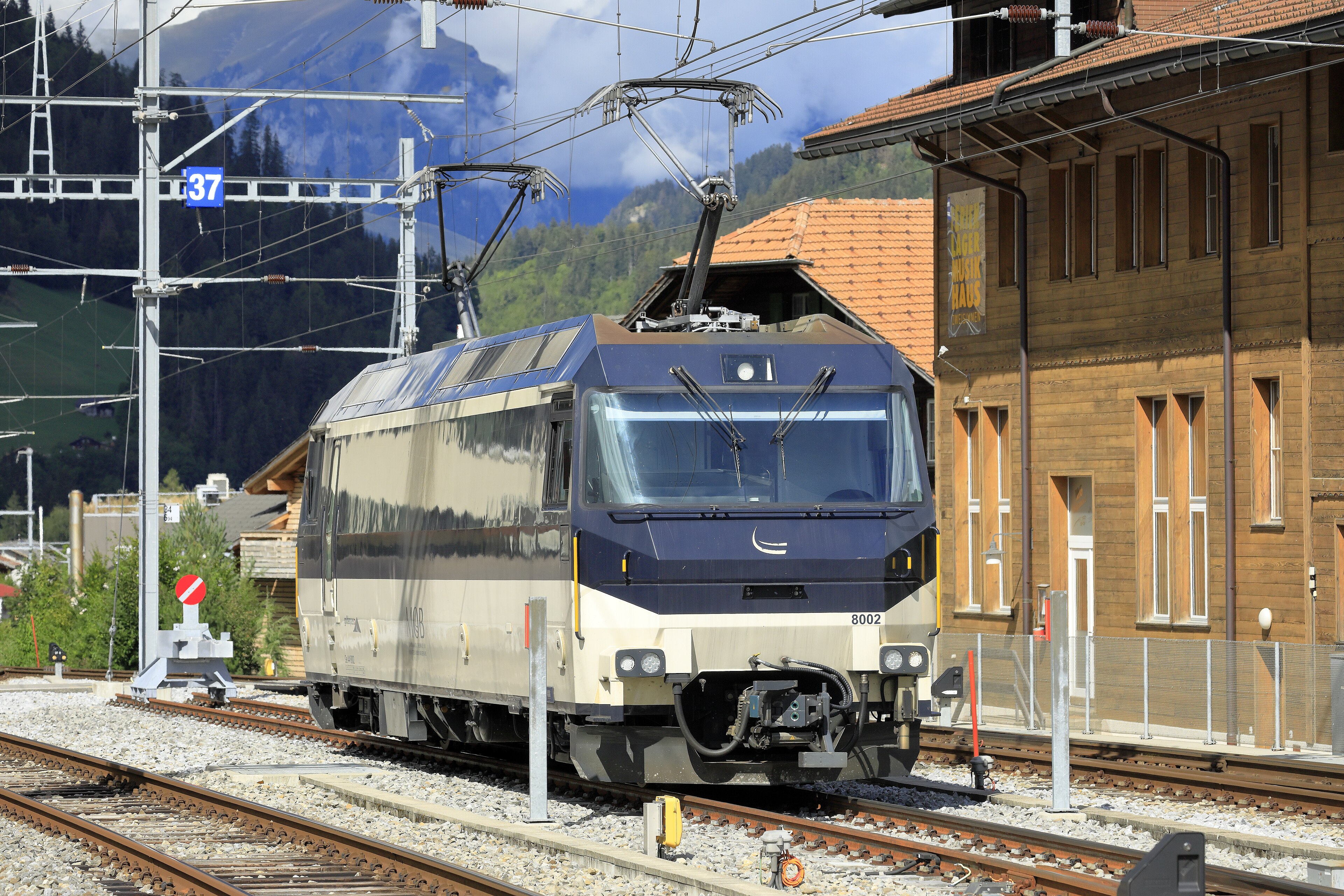
Photo: Falk2 · CC BY-SA 4.0
Image sourceGoldenPass Express links Montreux and Interlaken Ost directly in 3h15, using variable-gauge technology while crossing vineyard country, Pays-d’Enhaut and the Gstaad region.
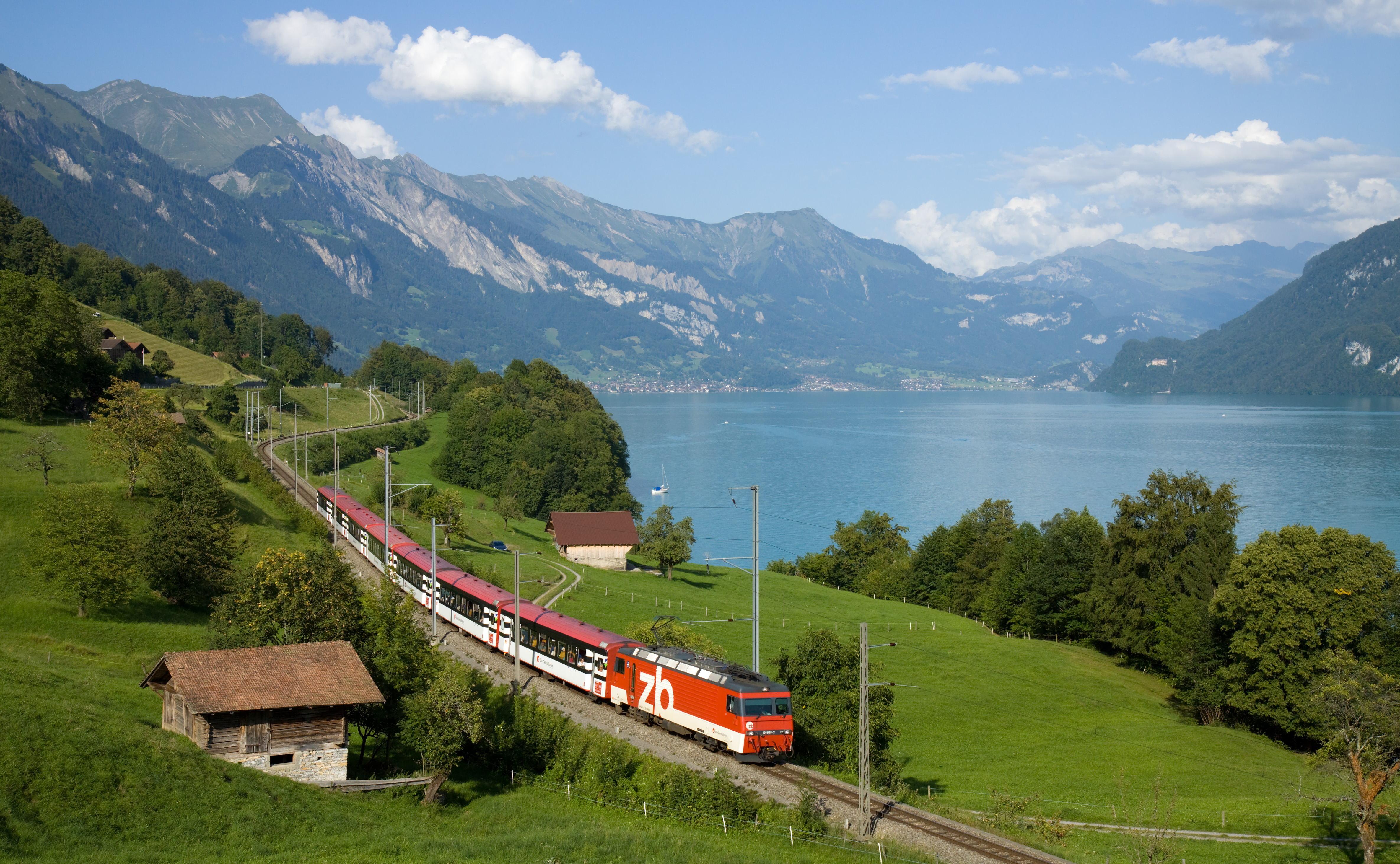
Photo: Kabelleger / David Gubler (http://www.bahnbilder.ch) · CC BY-SA 3.0
Image sourceLuzern–Interlaken Express runs every hour year-round between Lucerne and Interlaken Ost in about 1h50, crossing the Brünig Pass amid lakes, waterfalls and Alpine scenery.
Norway's mountain crossings and valley routes: compare the full Oslo–Bergen journey with the shorter Rauma Line.
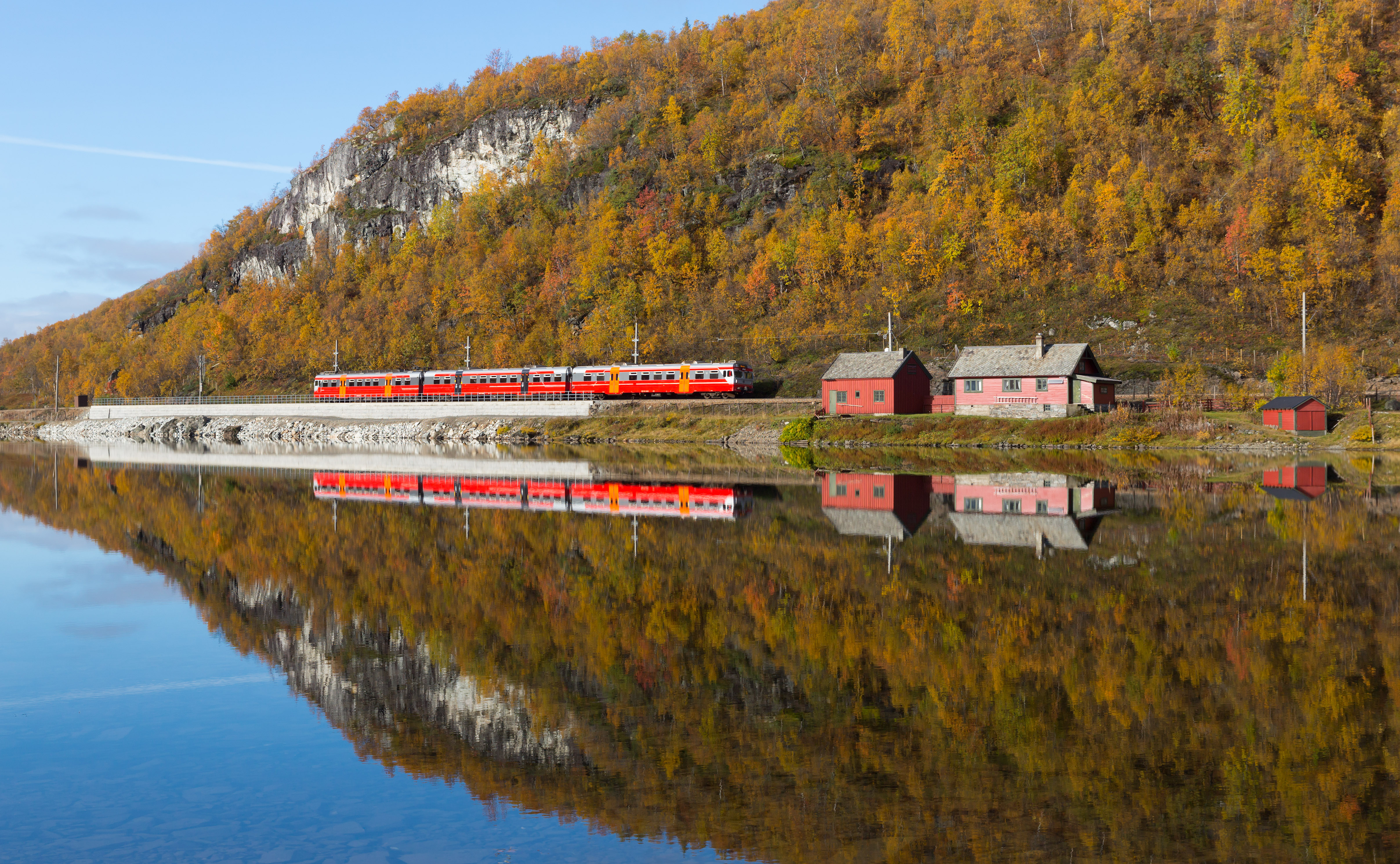
Photo: David Gubler (Kabelleger) / Wikimedia Commons · CC BY-SA 4.0
Image sourceThe Bergen Line crosses from Oslo to Bergen via high mountain country and the Hardangervidda, climbing above the treeline before dropping through western valleys toward the fjords and coast.
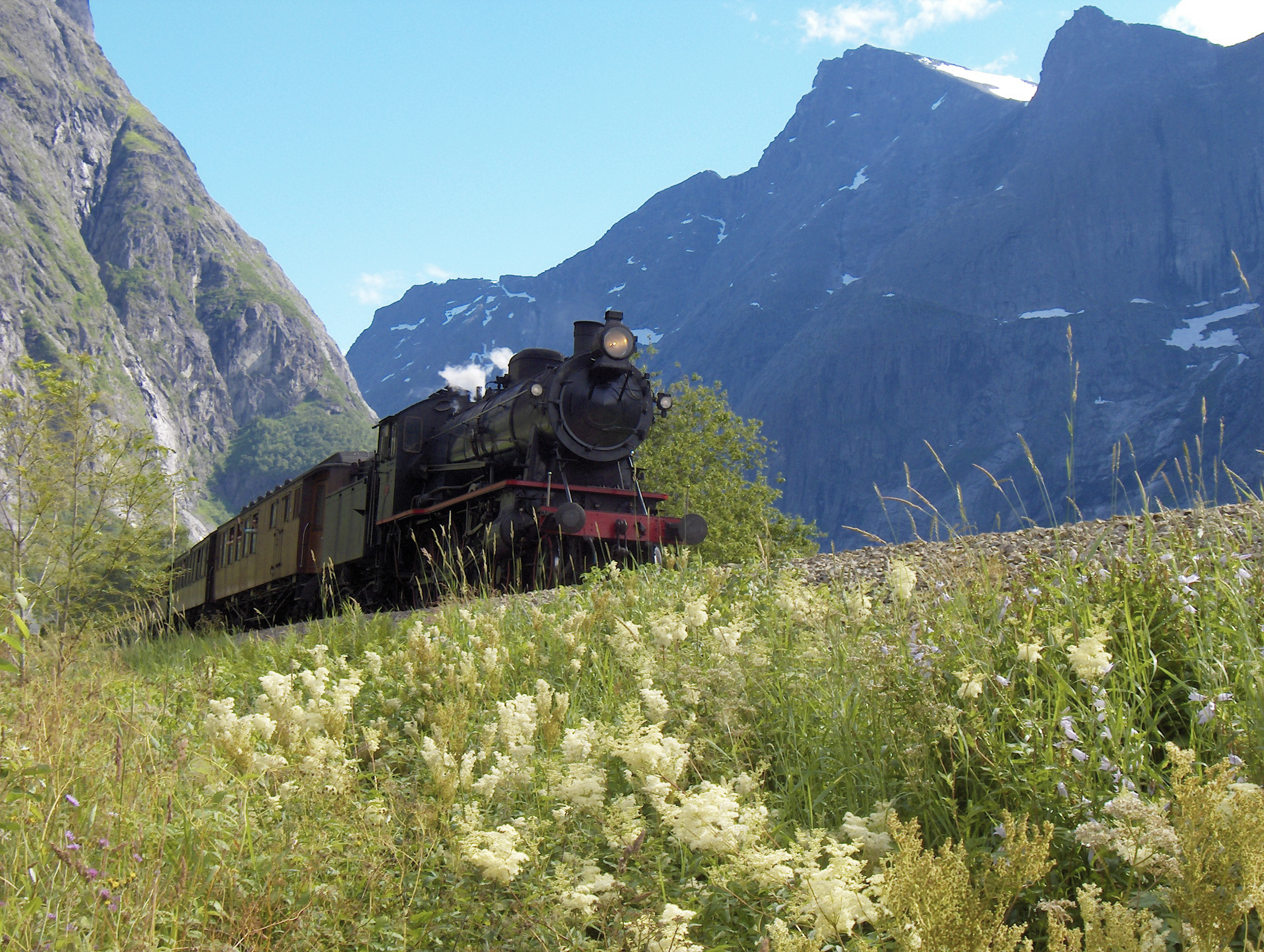
Photo: TomasEE / Wikimedia Commons · CC BY 3.0
Image sourceThe Rauma Line links Dombås with Åndalsnes over 115 kilometres, following a dramatic valley of waterfalls, steep peaks, river bends and historic stone railway structures.
Shorter railway outings, summit climbs and a historic main-line section. Allow extra time for connections and time off the train.
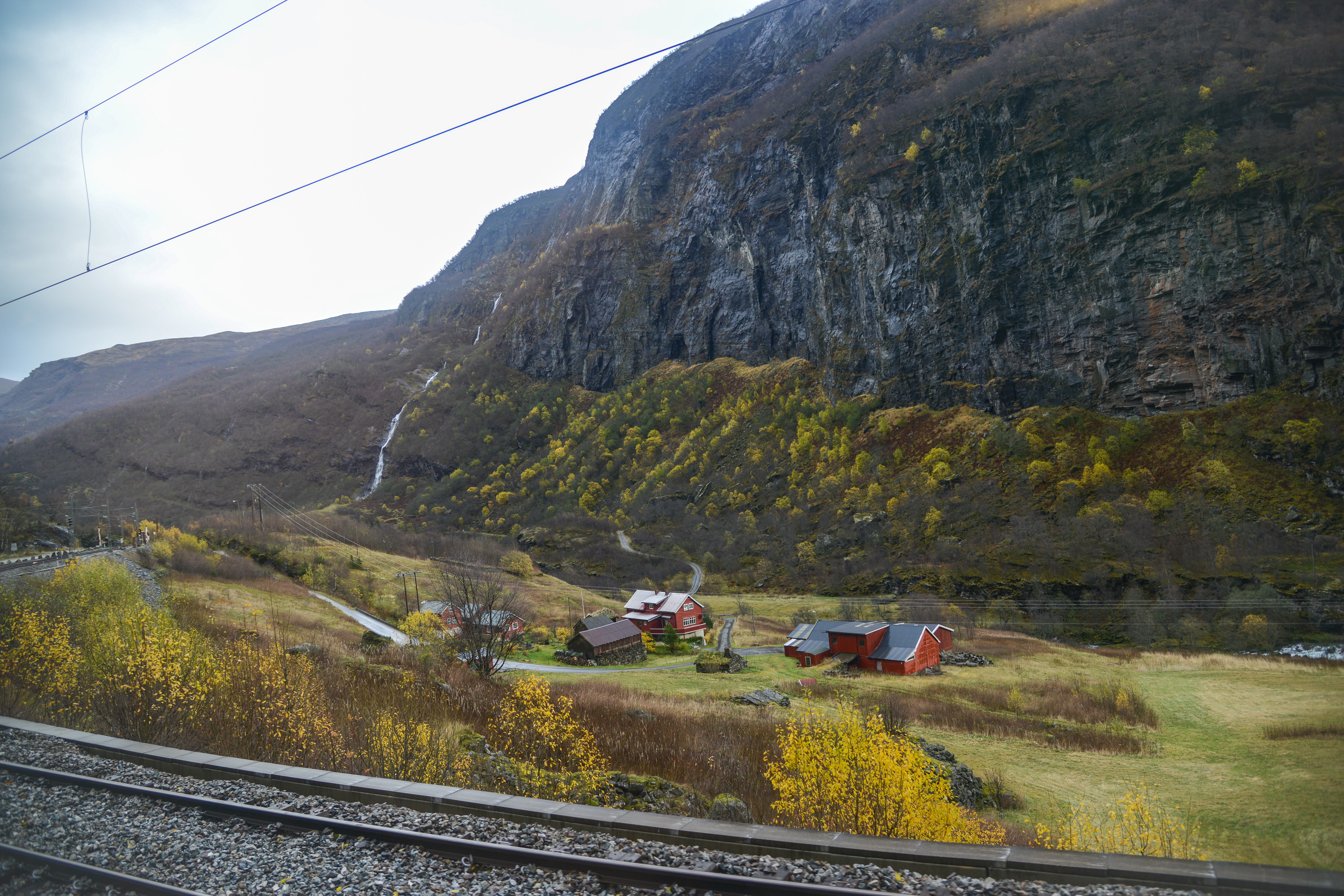
Photo: Jorge Láscar / Wikimedia Commons · CC BY 2.0
Image sourceThe Flåm Railway links Myrdal on the Bergen Line with Flåm beside the Aurlandsfjord in about 55 minutes, descending 20.2 km through the narrow Flåm Valley.
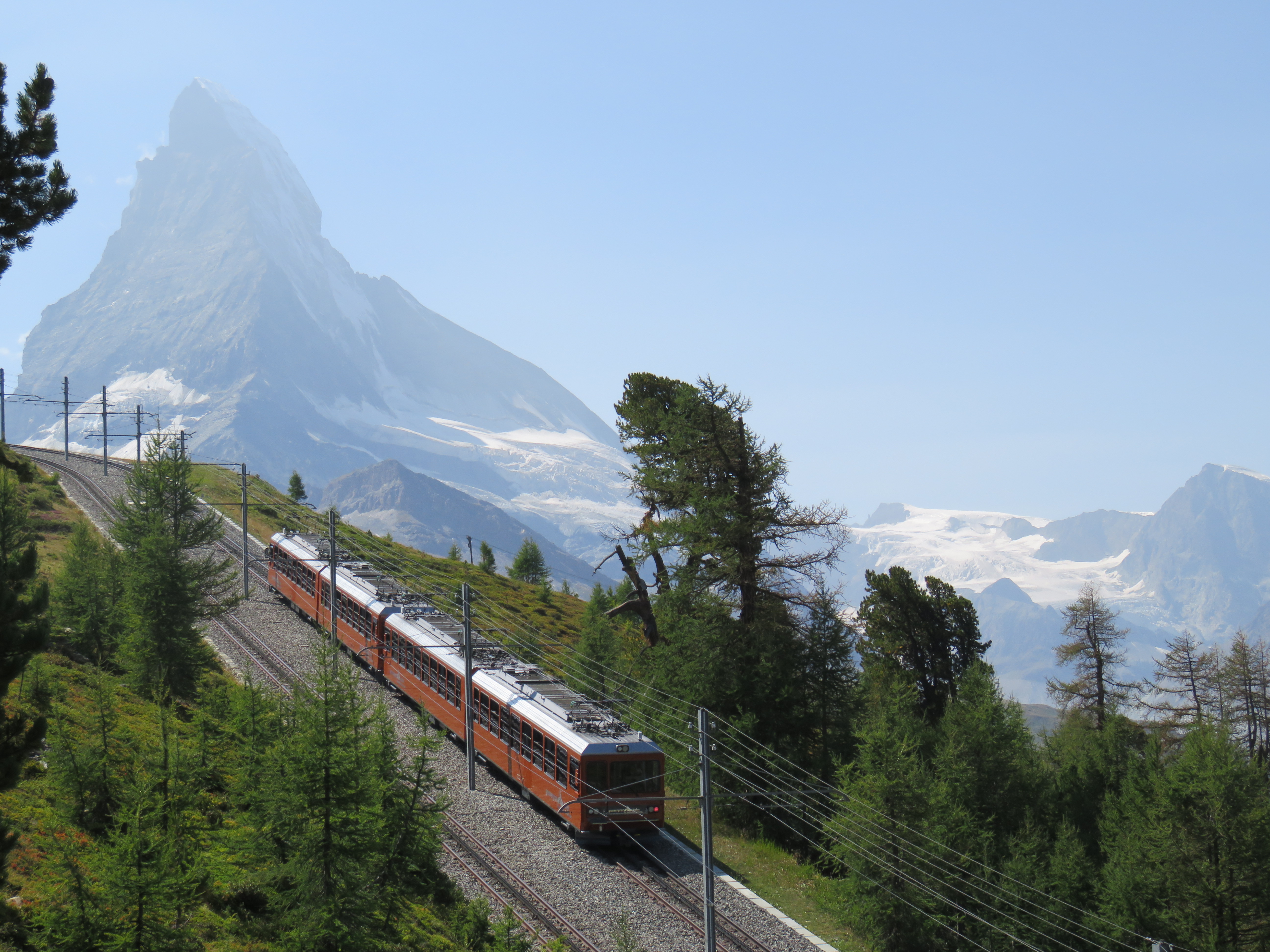
Photo: Rail Away TV / Wikimedia Commons · CC BY-SA 4.0
Image sourceGornergrat Railway climbs from Zermatt to around 3,100 metres, opening views of the Matterhorn, Gorner Glacier and a ring of 4,000-metre peaks.
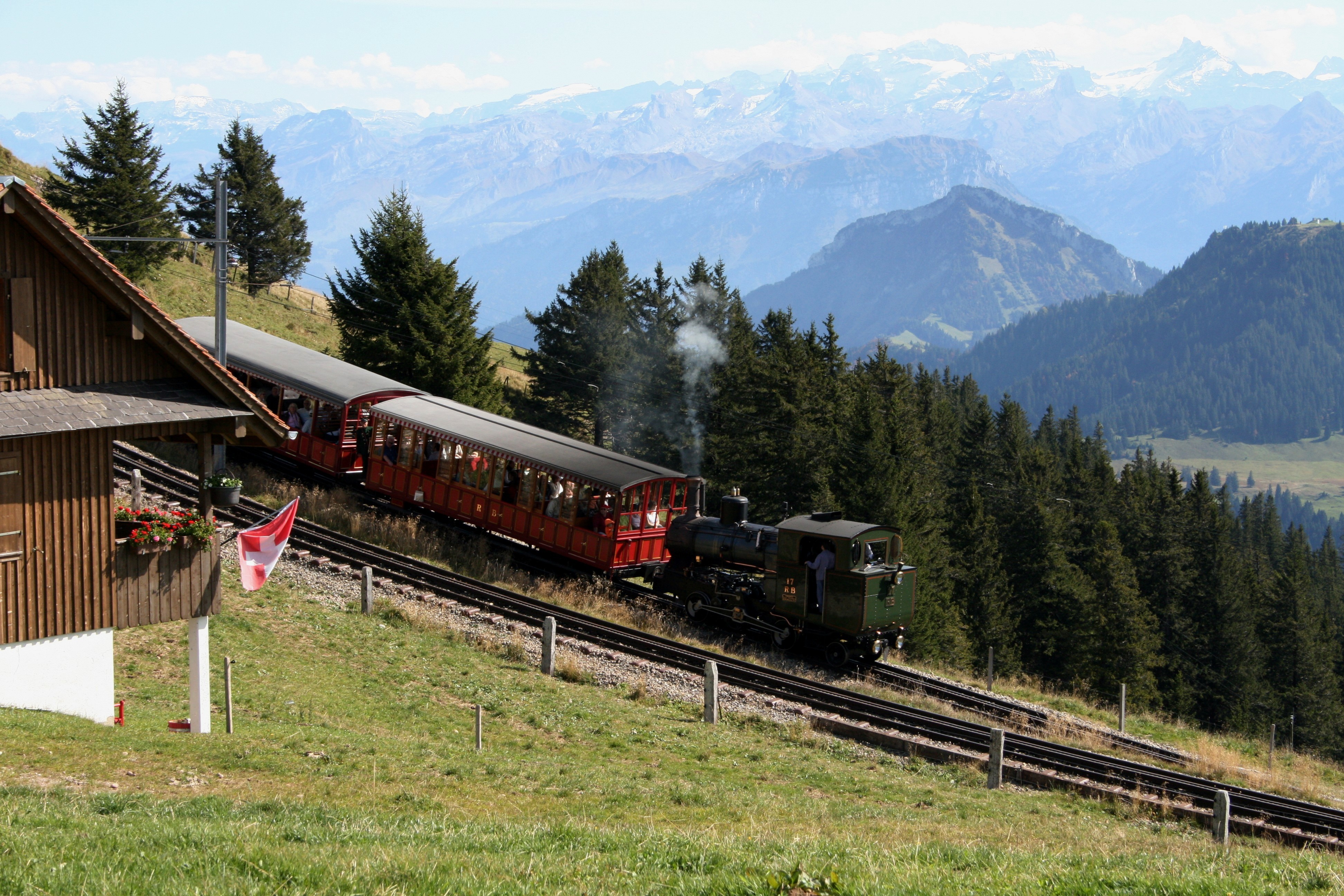
Photo: Ttrainer · CC BY-SA 3.0
Image sourceRigi Railways reaches Rigi Kulm by cogwheel routes from Vitznau and Goldau, combining a railway lineage dating to 1871 with a new generation of large-window, low-floor trains.
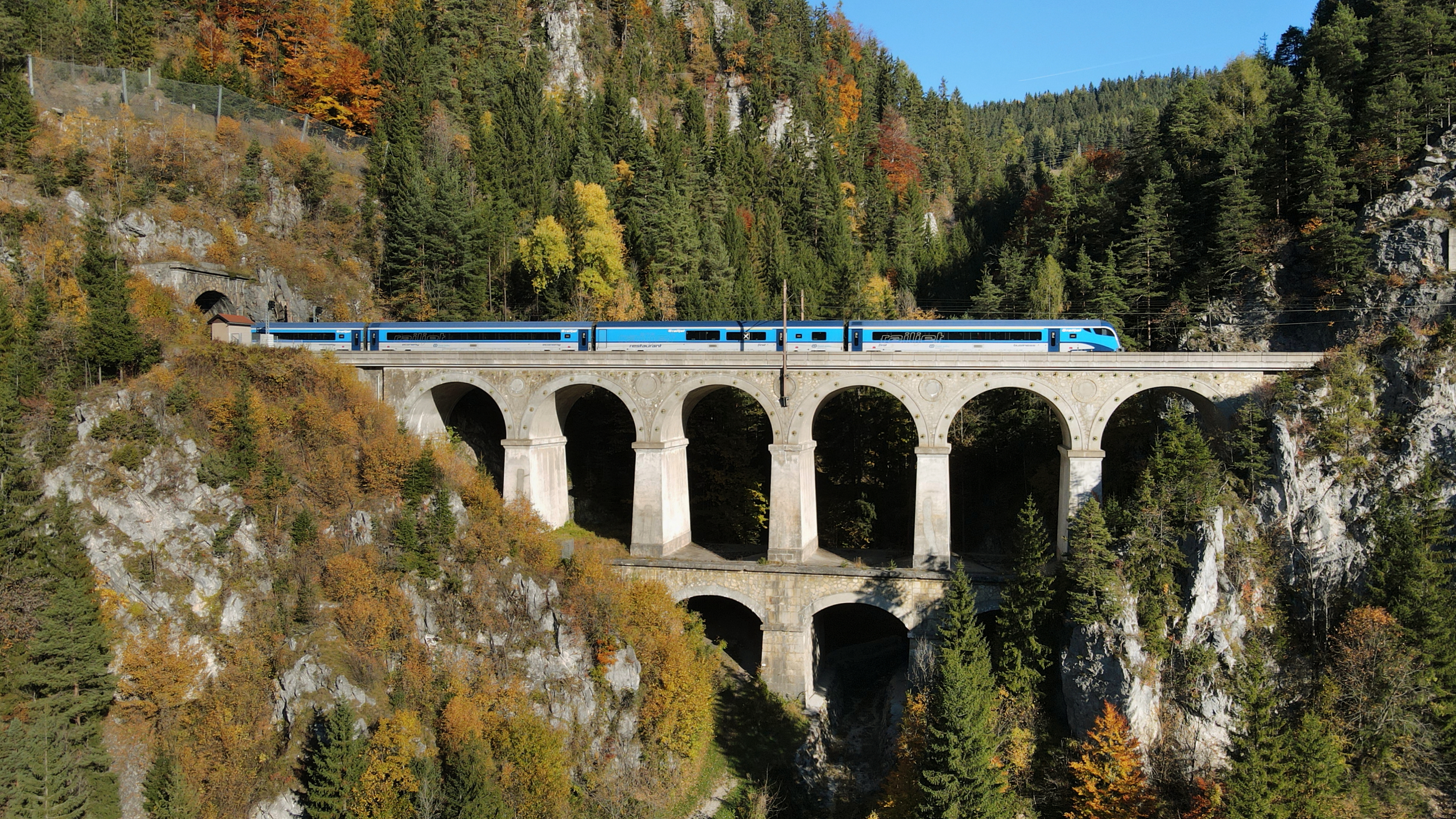
Photo: C. Stadler / Bwag / Wikimedia Commons · CC BY-SA 4.0
Image sourceThe Semmering Railway is the UNESCO-listed mountain section between Gloggnitz and Mürzzuschlag, where ordinary Austrian main-line trains still thread tunnels, stone viaducts and sweeping curves across a pioneering 19th-century alignment.
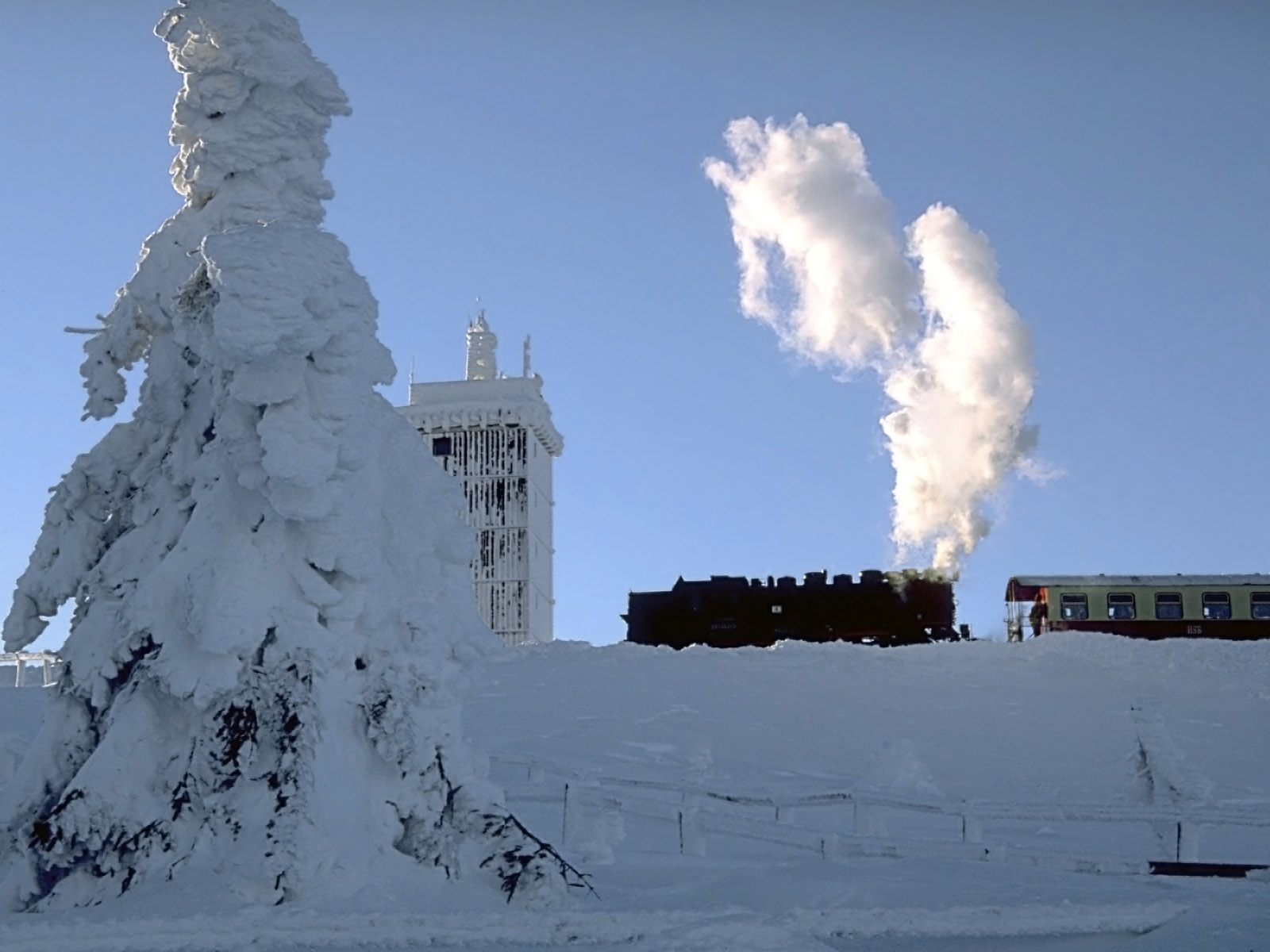
Photo: Andreas Tille / Wikimedia Commons · CC BY-SA 4.0
Image sourceThe Brocken Railway carries steam-hauled trains through the Harz National Park to the 1,141-metre Brocken summit, combining working heritage traction with a mountain route that operates across the seasons.
The full Glasgow–Mallaig route is a substantial journey, not just the Glenfinnan crossing.
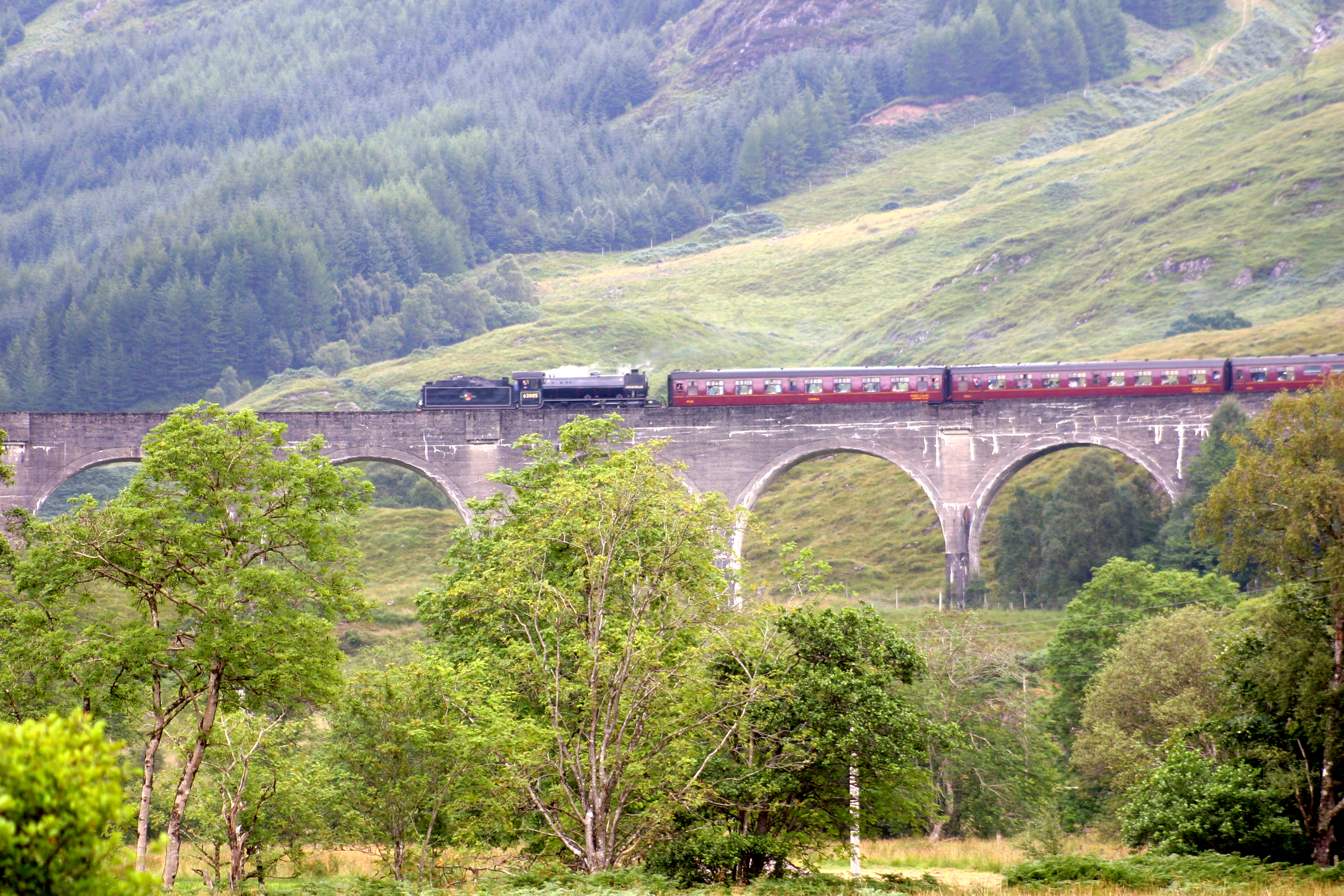
Photo: Tony Hisgett / Wikimedia Commons · CC BY 2.0
Image sourceFor this experience, the West Highland Line means the full Glasgow Queen Street to Mallaig journey: lochs and mountains north of the Clyde, the open emptiness of Rannoch Moor, Fort William, Glenfinnan Viaduct and the rocky west coast.
Compare the two Swiss panoramic routes, or keep exploring beyond Europe.