01
What makes the train special
Accessibility support: Car 3 includes wheelchair-accessible seating and a wheelchair space usable without transferring. Reclining seat: HC85 series uses rotating reclining seats.
Japan · Scenic
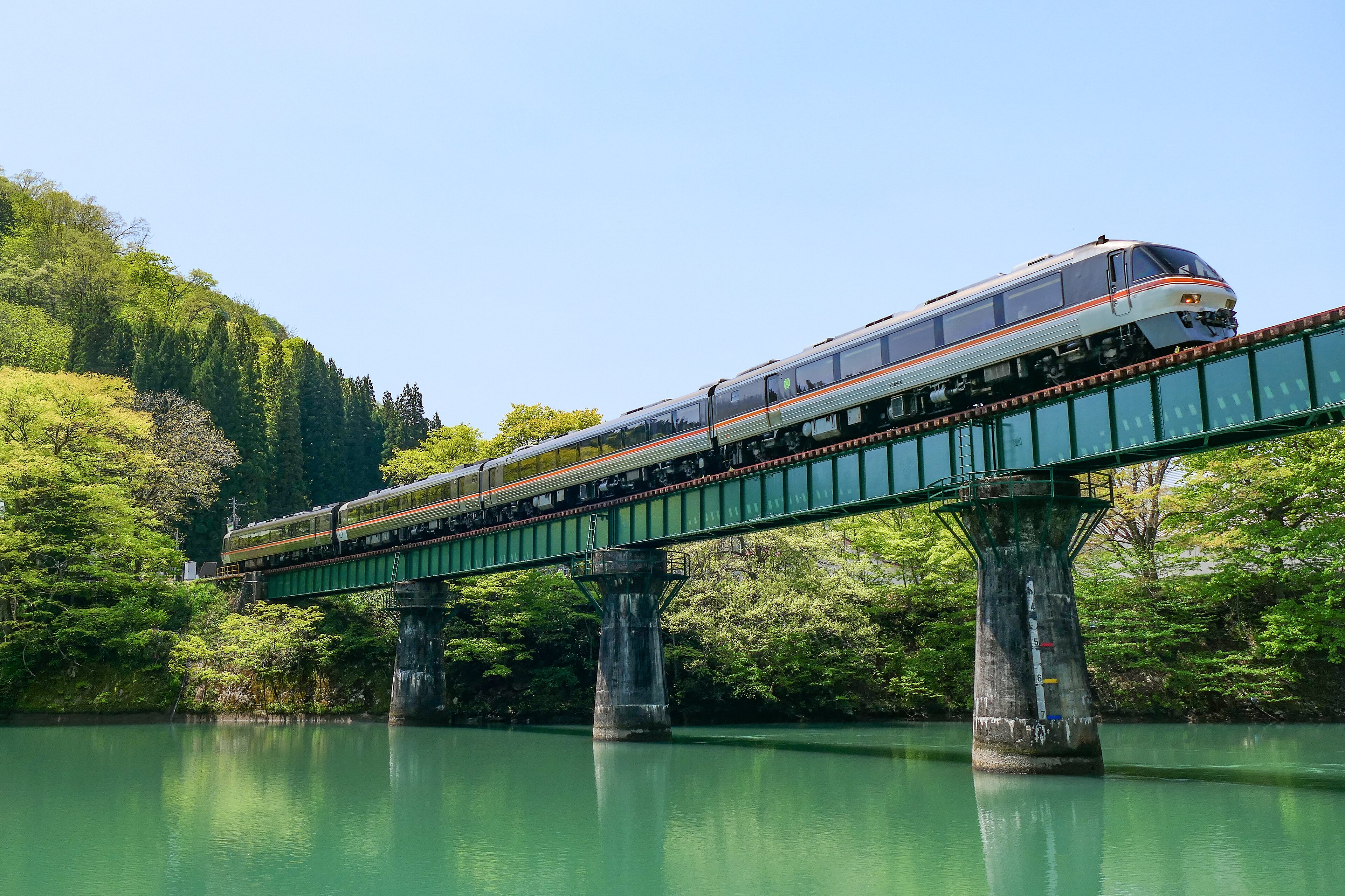
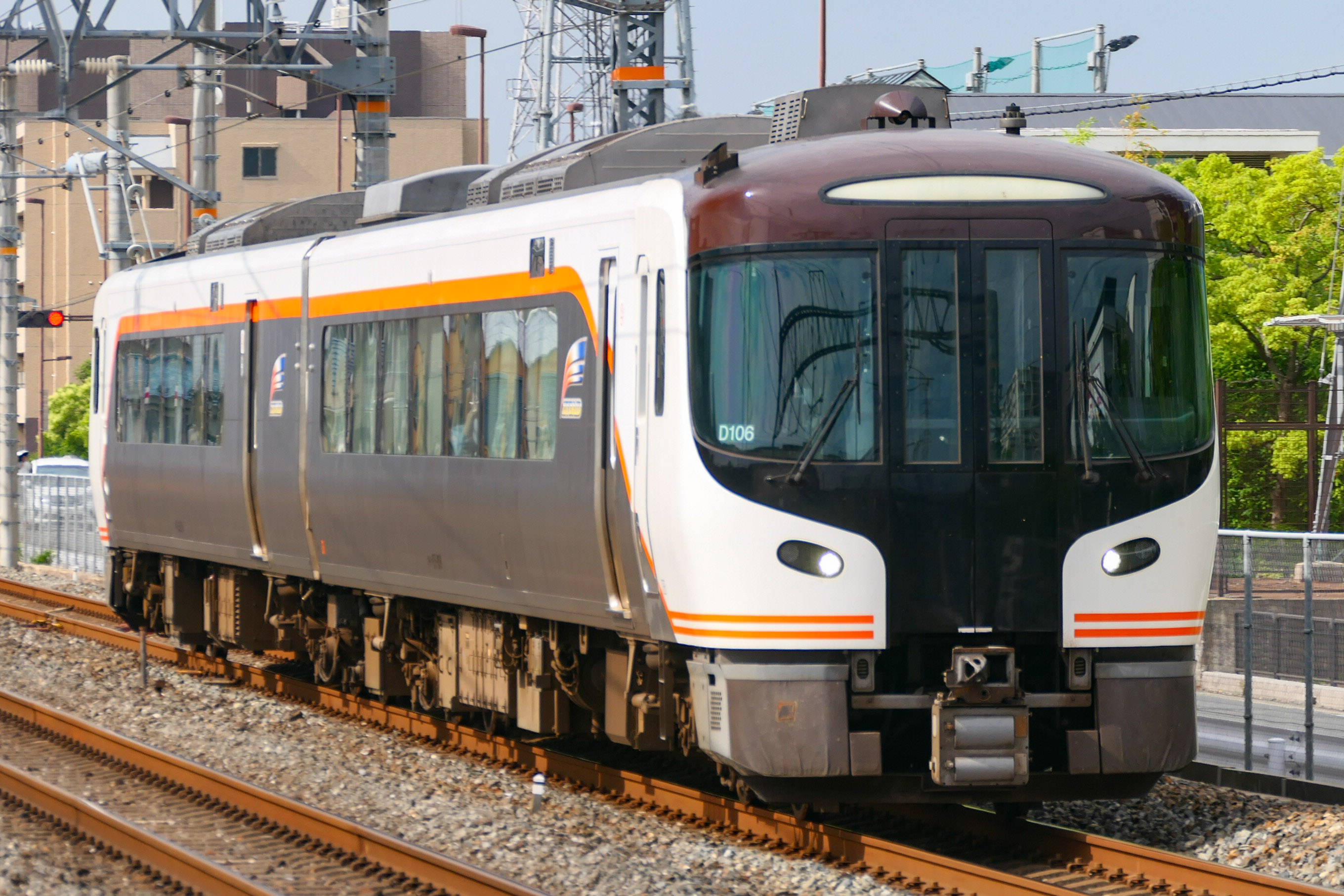
The Hida limited express runs from Nagoya up the Takayama Main Line to Takayama, using JR Central's HC85 hybrid trains.
Nagoya → Takayama
Scenic
Why this route
This is the classic approach to the mountains of Gifu, and the line was built along the river rather than through it, so the train spends most of the trip beside water.
From the train
Gero, roughly two-thirds of the way, is one of Japan's best-known hot spring towns; Takayama's preserved merchant streets are at the end.
Across the map
The HC85 sets are hybrids, which makes the run quieter than the diesel trains they replaced.
From Nagoya the route runs north through Gifu, then follows the Hida river through gorges past Gero to Takayama. Typical journey time is about 2 hours 20 minutes.
Nagoya to Takayama
Key stops
Nagoya StationGifu StationGero StationTakayama Station
Nagoya Station
Japan
Gifu Station
Japan
Gero Station
Japan
Takayama Station
Japan
Scenic / panoramic
01
Accessibility support: Car 3 includes wheelchair-accessible seating and a wheelchair space usable without transferring. Reclining seat: HC85 series uses rotating reclining seats.
02
The Hida limited express runs from Nagoya up the Takayama Main Line to Takayama, using JR Central's HC85 hybrid trains. The journey takes about two hours twenty minutes and follows the Hida river through a succession of gorges.
03
Reservation: not required. Direct online booking is recorded. Pricing is recorded as dynamic. Strongest recorded months: January, February, March. Trains run frequently and can be booked online or at the station. Rail pass coverage and any supplements depend on the service; check the operator's own information.
Verified 2026-09-28
Plan the ride
Use the verified journey, booking, season and onboard facts below to decide how to take this experience. Unknowns stay explicit.
This guide does not imply a product variant unless a separate comparison decision is published.
Evidence on demand
Route, onboard, season, fit and booking detail remain available without interrupting the journey above. Unknowns stay visible.
2h 20m
From Nagoya the route runs north through Gifu, then follows the Hida river through gorges past Gero to Takayama. Typical journey time is about 2 hours 20 minutes.
From Nagoya the route runs north through Gifu, then follows the Hida river through gorges past Gero to Takayama. Typical journey time is about 2 hours 20 minutes.
Nagoya to Takayama
Key stops
Nagoya StationGifu StationGero StationTakayama Station
Nagoya Station
Japan
Gifu Station
Japan
Gero Station
Japan
Takayama Station
Japan
The route does most of the work here, it is a journey taken for what passes the window rather than for the destination. At a few hours between Nagoya and Takayama, it is long enough to feel like a journey and short enough to watch the whole of it without losing concentration. The middle of the route, through Gero Station, is where the journey stops feeling like a departure and starts feeling like a place of its own.
Reclining seats
HC85 series uses rotating reclining seats.
Step-free boarding
Car 3 includes wheelchair-accessible seating and a wheelchair space usable without transferring.
2 onboard details are confirmed against a source. Anything not listed here has not been researched yet; treat it as unknown, not absent.
Jan: Scheduled year-round as a regular timetabled service.
Photographers
Especially good
Landscape is the reason to take this train, with long stretches of open view.
First-time rail travellers
Good fit
A straightforward reserved-seat service into scenery that is hard to reach otherwise.
Couples
Good fit
Quiet, scenic and comfortable for a half-day journey.
Rail enthusiasts
Good fit
A route defined by the terrain it was built through.
Slow travellers
A route worth taking at its own pace rather than for the fastest connection.
No verified trade-offs on record. That is an absence of evidence, not a promise that there are none.
Our current editorial assessment, for comparing journeys, a considered judgement, not a measurement.
More subjective
Not rated yet: value for money, seat quality, onboard service, slow travel quality, romance, remoteness.
Step-free access and assistance are set out with the practical detail further down rather than reduced to a score.
Prices quoted No fixed published fare recorded. Tickets are sold at operator-set fares that vary by date, service and class; check the operator for the price on your travel date.
Not yet verified: rail pass validity. We leave these blank rather than guess.
Only the operator's website is verified for this service. Timetables, fares and reservations must be found from there. Journey length: 2h 20m. Checked 27 Oct 2026 · JR Central.
The detailed source record remains at the end of this guide. Review the evidence.
Your next step
Trains run frequently and can be booked online or at the station. Rail pass coverage and any supplements depend on the service; check the operator's own information.
Visit Central Japan Railway Company (JR Central)'s website (opens in a new tab)Only the operator's website is verified for this service. Timetables, fares and reservations must be found from there.
Far by Rail is a discovery guide, not a live timetable or booking service. Confirm times, fares and availability with the operator.
Continue exploring
japan
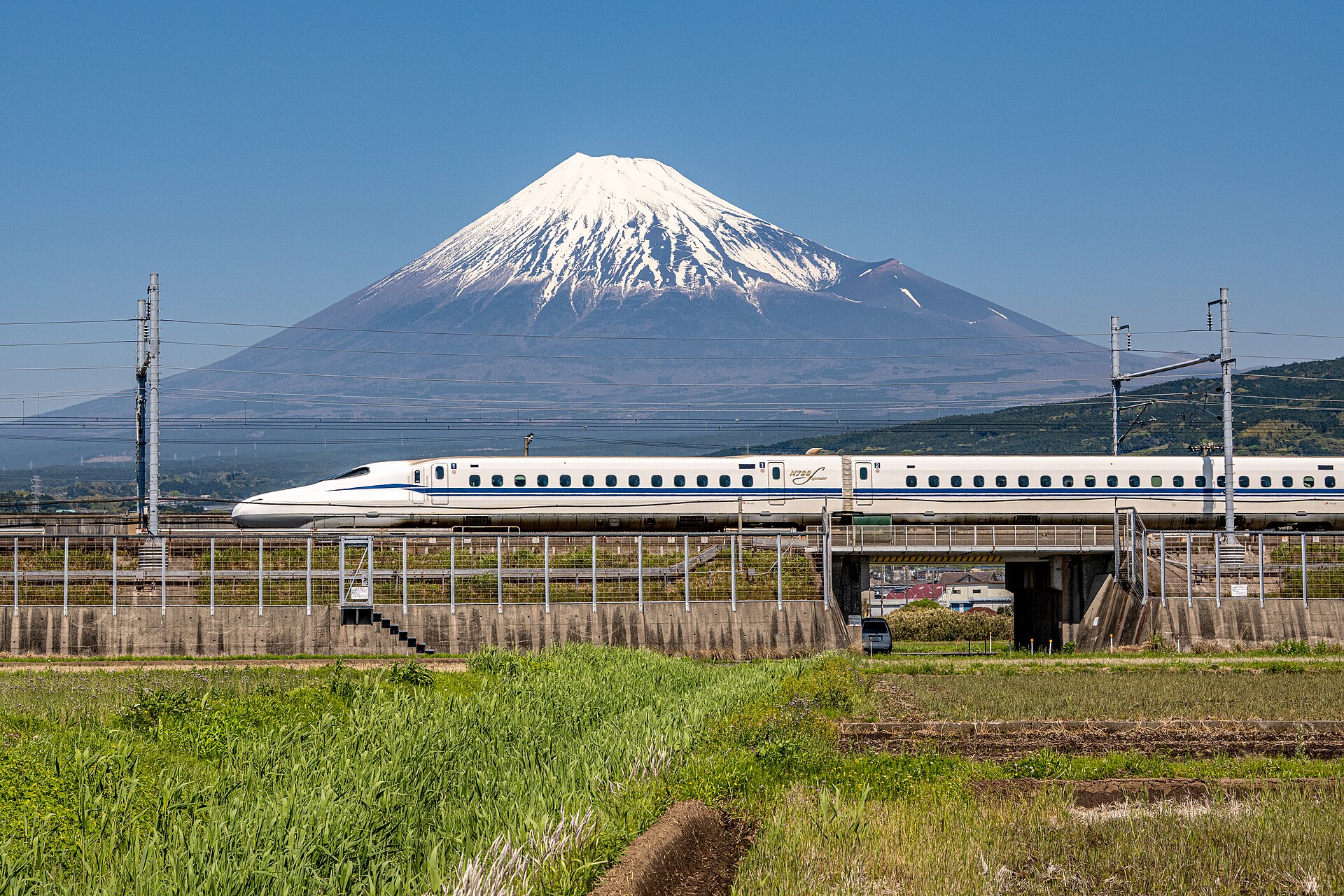
The Tokaido Shinkansen links Tokyo and Shin-Osaka in 2 hours 21 minutes by the fastest Nozomi service, running at up to 285 km/h along the corridor that carries most of Japan's intercity traffic. It was the world's first high-speed railway when it opened in 1964, and it remains an ordinary way to travel rather than a special excursion: trains leave every few minutes, the ride is quiet and level, and the whole journey is timetabled to the minute.
Also in japan
Photo: Takeshi Aida / Wikimedia Commons · CC BY-SA 2.0
japan
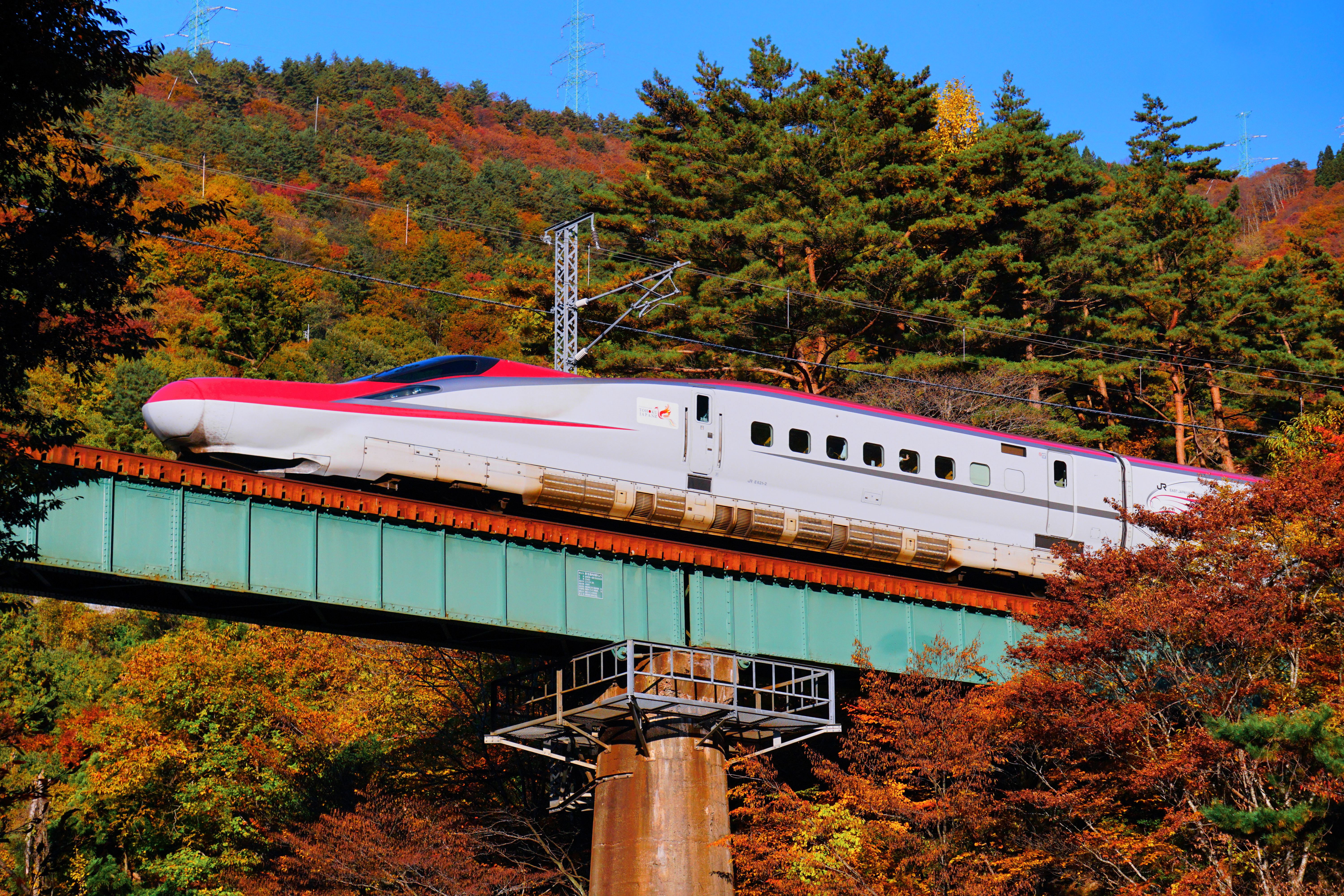
The Komachi runs from Tokyo to Akita as a mini-shinkansen: coupled to a Hayabusa on the Tohoku Shinkansen as far as Morioka, then continuing alone over gauge-converted conventional track through Tazawako and Kakunodate to Akita on the Sea of Japan coast. The run takes around three and a half hours, and the red E6 series sets are among the most distinctive trains on the JR East network.
Also in japan
Photo: 掬茶 · CC BY-SA 4.0
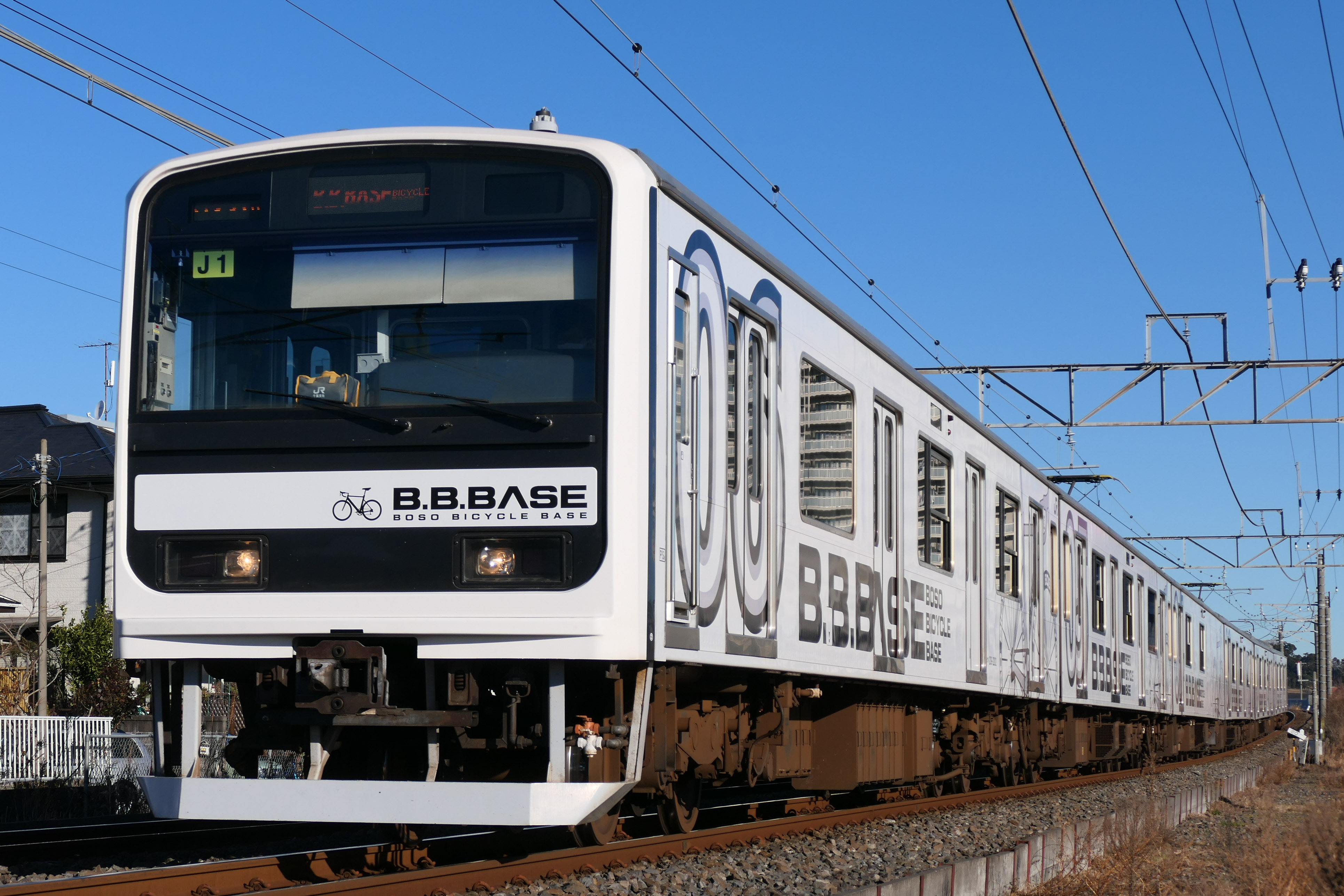
japan
B.B.BASE is JR East’s bicycle-focused Joyful Train for the Boso Peninsula, with dedicated racks that let riders carry bicycles without disassembly and multiple leisure routes from Tokyo.
Also in japan
Photo: MaedaAkihiko / Wikimedia Commons · CC BY-SA 4.0
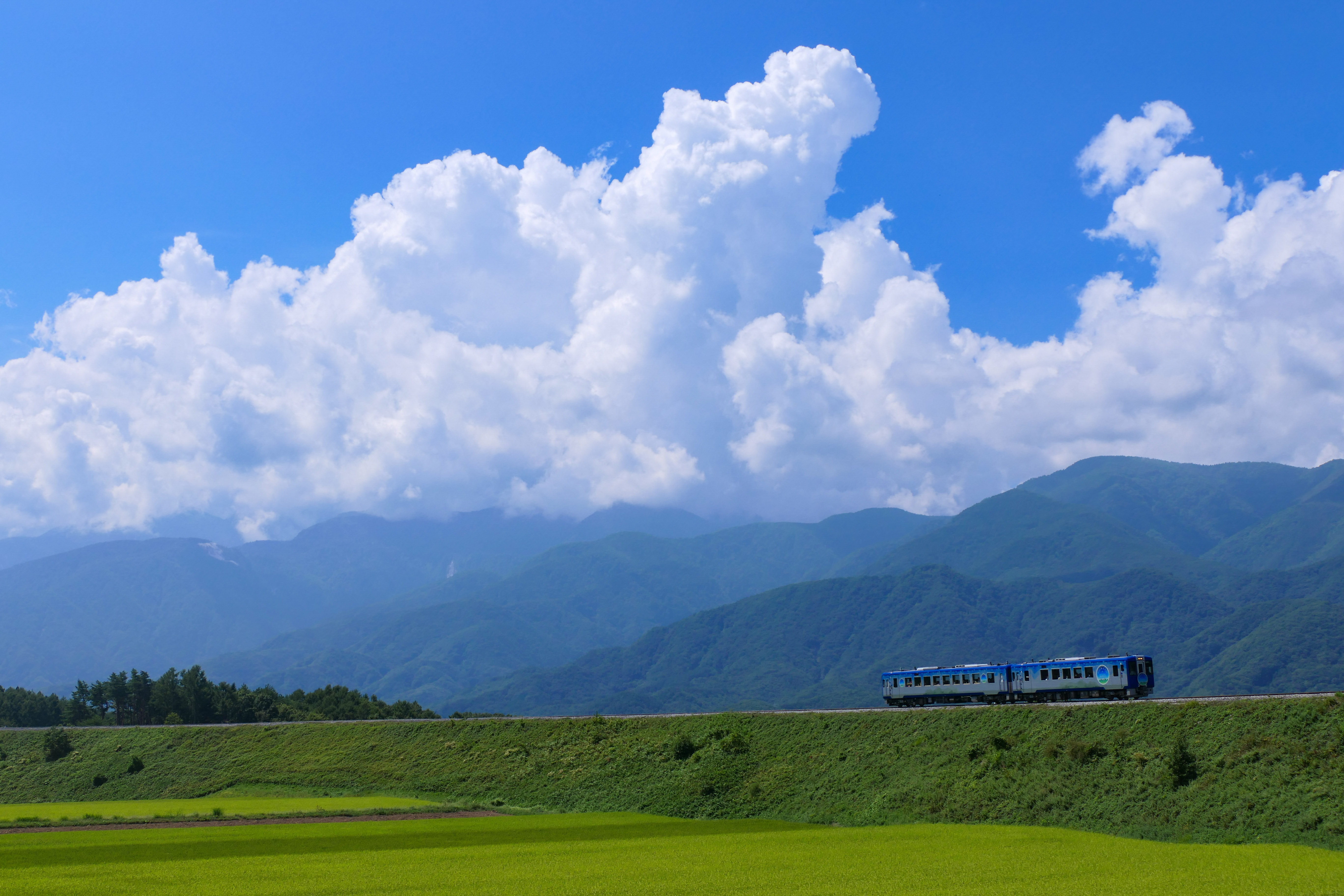
japan
HIGH RAIL 1375 runs across the Koumi Line between Kobuchizawa and Komoro, with daytime and evening services designed around elevated scenery and the night sky.
Also in japan
Photo: MaedaAkihiko · CC BY-SA 4.0
Journey information is reviewed against published material and maintained as sources change.
Last reviewed 27 Oct 2026.
Official sources
Checked 27 Oct 2026
Checked 27 Oct 2026
Checked 27 Oct 2026